
AlloyAlloy 276 C-276 (N10276)
FamilyNickel Alloys
Supplied toASTM B622, ASTM B626, ASME SB-622
Typical serviceSevere corrosion, Flue gas desulfurization, Chemical process
Size range1/4" to 2" OD, .028" to .134" wall
TempersSolution annealed
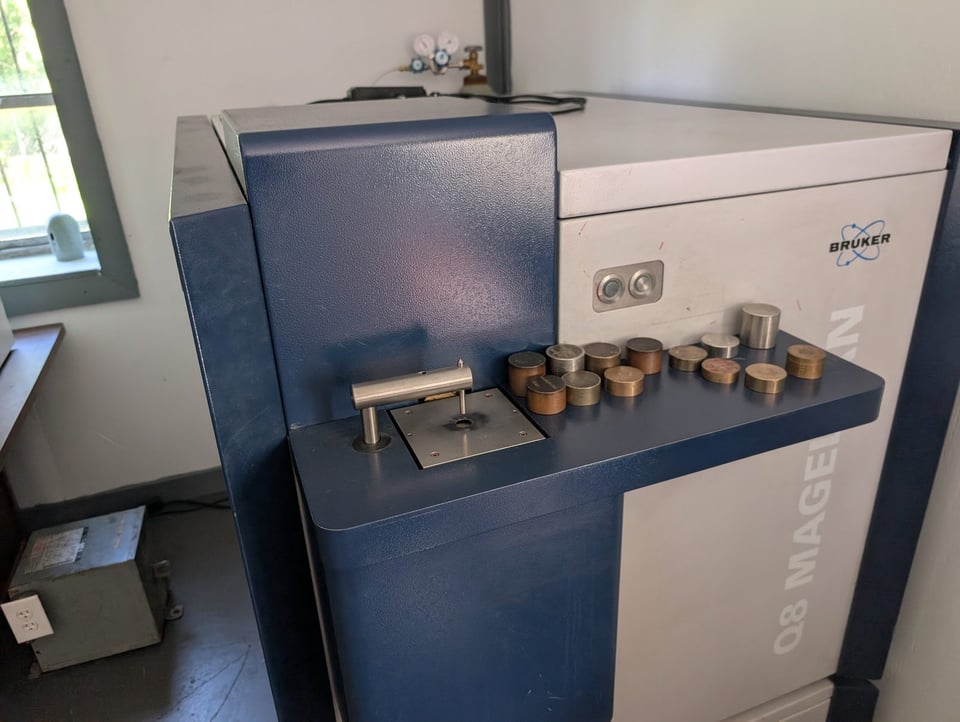
Testing100% eddy current or ultrasonic per B622/B626, hydrostatic, flattening, flaring; ASTM G28 corrosion test and PMI on request
OriginDomestic and approved mills, inspected and certified in Hillsboro
Sourced alloy, certified in HillsboroAmeritube does not manufacture Alloy 276 in Texas. It is supplied from qualified domestic and international mills, then received, inspected, tested, and released under our ISO 9001:2015 system in Hillsboro, Texas, with a full mill test report.
What C-276 is
Alloy C-276 is a nickel-molybdenum-chromium alloy with tungsten and low carbon and silicon. The molybdenum and tungsten give it exceptional resistance to reducing acids, pitting, and crevice corrosion; the chromium handles oxidizing conditions. Low carbon means it can be welded and used as-welded in most service without intergranular attack.
It is the material of last resort in many chemical plants: when 316L, duplex, and 825 have failed, C-276 is usually what goes in next.
Standards we supply to
- ASTM B622 / ASME SB-622, seamless nickel alloy tube
- ASTM B626 / ASME SB-626, welded nickel alloy tube
- ASTM B619 welded pipe on request
Chemical composition
| Element | Requirement |
|---|---|
| Nickel | Remainder (nominal 57%) |
| Molybdenum | 15.0 to 17.0% |
| Chromium | 14.5 to 16.5% |
| Iron | 4.0 to 7.0% |
| Tungsten | 3.0 to 4.5% |
| Cobalt | 2.5% max |
| Carbon | 0.010% max |
Typical mechanical properties, annealed
| Property | Value |
|---|---|
| Tensile strength | 100,000 psi min (690 MPa) |
| Yield strength | 41,000 psi min (283 MPa) |
| Elongation in 2" | 40% min |
Where it is used
- Flue gas desulfurization scrubbers, reheaters, and ducting.
- Chemical process exchangers in sulfuric, hydrochloric, phosphoric, and mixed acids.
- Chlorine, hypochlorite, and chlorinated organics.
- Pulp and paper bleach plants.
- Pharmaceutical and fine chemical reactors and condensers.
- Sour gas wells and geothermal brines.
What to put in your Alloy 276 RFQ
Seamless (B622) or welded (B626), OD, wall, length, quantity, the process chemistry and temperature, and any G28 or customer corrosion test requirement. C-276 is expensive; tell us the service and we will confirm it is warranted.